
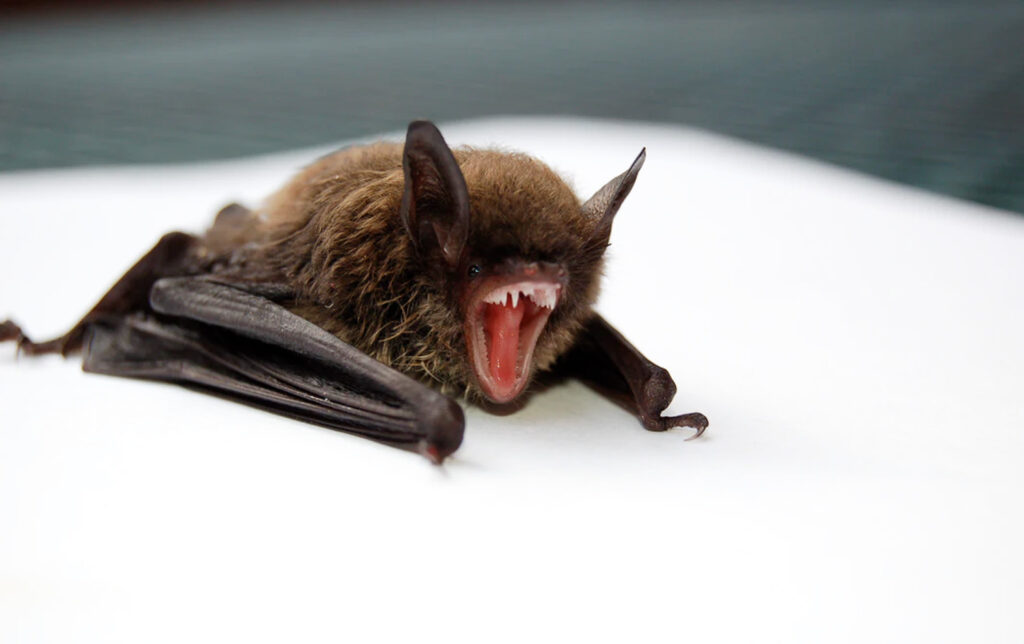
Hearing scratching in the attic at night or spotting a bat flying inside your house can be alarming. Many Ontario homeowners worry about safety, disease, and property damage when bats enter their living space. While bats play an important role in the ecosystem by controlling insect populations, they can pose certain risks when they roost inside homes. Understanding the real health concerns, common myths, and safe next steps can help you stay calm and make informed decisions if bats become unwanted guests.
Why Bats Enter Ontario Homes
Bats don’t usually enter homes to bother people. They are simply looking for warm, safe places that mimic their natural roosting spots like caves or hollow trees.
Attics, roof gaps, vents, and wall voids offer shelter from predators and harsh weather. In Ontario, bats often enter homes during spring and summer to form maternity colonies where female bats give birth and raise their young. Fall can also be a time when bats search for safe places to rest before winter.
Because homes provide steady temperatures and protection, they can become long-term roosting sites if entry points are not sealed properly.
Are Bats Themselves Aggressive?
One of the biggest fears people have is being attacked by bats. In reality, bats are not aggressive toward humans. They do not see people as prey and typically try to avoid contact.
However, a bat that is sick, injured, or trapped inside a living space may behave unpredictably. If someone tries to handle a bat, especially without protection, there is a risk of being scratched or bitten in self-defense. That’s why direct contact should always be avoided.
The danger doesn’t usually come from the bat’s behavior — it comes from potential health risks associated with their presence.
Main Health Risks Linked to Bats in Homes
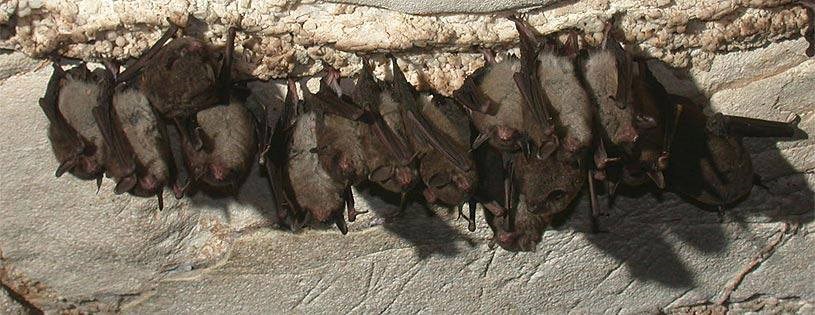
When bats roost inside a house, concerns are mainly related to diseases and air quality rather than physical attacks.
Rabies Risk
Rabies is the disease most commonly associated with bats. Although only a small percentage of bats carry rabies, it is still a serious concern because rabies is almost always fatal once symptoms appear.
The virus spreads through bites or scratches, and sometimes through saliva contacting broken skin or mucous membranes. Bat bites can be very small and not always easily noticed, especially if a bat makes contact while someone is asleep.
If a bat is found in a bedroom or near children, pets, or sleeping individuals, it’s important to treat the situation seriously and consult public health authorities or a medical professional right away.
Histoplasmosis From Bat Droppings
Bat droppings, known as guano, can accumulate in attics and wall cavities over time. As guano breaks down, fungal spores can grow in the material. When disturbed, these spores can become airborne.
Breathing in contaminated dust may lead to a lung infection called histoplasmosis. Symptoms can include cough, fever, chest pain, and fatigue. While many healthy people may only experience mild symptoms, the infection can be more serious for older adults, children, and people with weakened immune systems.
This is why professional cleanup after bat removal is so important. Simply sweeping or vacuuming guano without proper equipment can increase exposure.
Parasites and Secondary Pests
Bats can carry parasites such as mites, fleas, and bat bugs. When bats leave or are removed, these parasites may remain behind and seek new hosts.
While these pests are not always dangerous, they can cause bites, skin irritation, and discomfort. In some cases, infestations may spread into living areas, making the situation more stressful for homeowners.
Proper sealing and sanitation help reduce this risk significantly.
Air Quality and Structural Concerns
Health risks are not limited to diseases. Bat infestations can also affect your home environment in other ways.
Large amounts of guano and urine can create strong odors and release ammonia fumes, which may irritate the eyes and respiratory system. Over time, moisture from droppings can damage insulation, wood, and drywall.
Poor air quality in the attic can circulate through the home’s ventilation system, potentially affecting indoor comfort and health. Families with asthma or allergies may notice worsening symptoms if contamination is severe.
Myths vs Facts About Bats in Homes
There is a lot of misinformation about bats, so it’s helpful to separate facts from fear.
Bats do not chew wires or wood like rodents do. They also do not intentionally attack people or get tangled in hair. However, they can still create unsafe conditions through droppings and disease risks.
Understanding the real issues helps homeowners respond logically instead of panicking.
What To Do If You Find Bats in Your Home
If you suspect bats in your attic or walls, avoid disturbing them. Do not try to trap, poison, or handle bats yourself. DIY attempts can increase exposure to health risks and may be illegal, as bats are protected wildlife in many areas.
A professional wildlife removal service uses humane exclusion methods. This allows bats to leave the home but prevents them from re-entering. After removal, entry points are sealed and contaminated areas can be cleaned safely.
If direct contact with a bat has occurred, seek medical advice immediately. Quick action is critical in possible rabies exposure situations.
Prevention Tips for Ontario Homeowners
Preventing bats from entering your home reduces both stress and health risks.
Regularly inspect your roof, vents, soffits, and chimney areas for gaps or cracks. Install proper vent covers and repair damaged screens. Keeping attic spaces well-sealed makes them less attractive as roosting sites.
Professional inspections can also help identify hidden vulnerabilities you may not notice on your own.
Read Also : When Is the Best Time for Bat Removal in Ontario?
Conclusion
Bats are valuable for the environment, but they don’t belong inside homes. In Ontario, the main dangers linked to bats in houses involve rabies risk, exposure to guano-related fungi, parasites, and poor air quality. While bats are not aggressive animals, their presence in living spaces can create real health concerns if not handled correctly.
Staying informed, avoiding direct contact, and choosing professional, humane removal are the safest steps you can take. Acting early protects your home, your air quality, and your family’s health.