
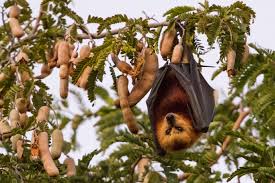
As the weather warms up in Ontario, many homeowners begin noticing unusual sounds in their walls or attic — light scratching, chirping, or fluttering at night. These signs often point to bats seeking shelter. While bats play an important role in controlling insects, their presence inside homes can create stress, health concerns, and property damage. Understanding why bats choose Ontario homes in spring and summer helps homeowners prevent infestations early and take safe, legal action. Seasonal bat behavior, breeding cycles, and environmental factors all influence why houses become ideal roosting spots during these months.
Seasonal Bat Behavior in Ontario
Bats in Ontario do not behave the same way year-round. Their needs change with temperature, food availability, and reproduction cycles.
During winter, most Ontario bats either migrate or hibernate in caves and other protected natural spaces. As spring arrives and temperatures rise, bats become active again and begin searching for warm, safe places to live. This is when residential buildings start to look attractive.
Homes provide stable temperatures and protection from predators, making them perfect substitutes for natural roosts like tree cavities or rock crevices, which are becoming less available due to urban development.
The Search for Warmth After Winter
Why Temperature Matters to Bats
Bats are highly sensitive to temperature changes. After surviving cold months, they seek warm environments that help conserve energy and support their survival.
Attics in Ontario homes heat up quickly in spring sunlight. Dark roofing materials absorb heat, creating an ideal indoor climate that is much warmer than outdoor tree hollows. This warmth helps bats regulate their body temperature without using excessive energy.
How Homes Mimic Natural Roosts
Cracks in siding, roof gaps, vents, soffits, and chimneys resemble the small openings bats use in the wild. Once they find a suitable gap, they can squeeze through openings as small as a thumb’s width.
Ontario homes unintentionally provide:
- Consistent warmth
- Protection from rain and wind
- Safety from predators like owls and raccoons
- Quiet, dark spaces perfect for daytime rest
Spring Is Maternity Season
One of the biggest reasons bats enter homes in spring and summer is reproduction.
Female Bats Form Maternity Colonies
In late spring, female bats gather in groups known as maternity colonies. These colonies are formed so mothers can give birth and raise their pups in a safe, warm location.
Attics offer the exact conditions they need:
- Stable high temperatures
- Protection from weather
- Minimal disturbance during daylight hours
Baby bats cannot fly for several weeks. A warm attic helps them grow faster and survive.
Why This Matters to Homeowners
During maternity season, removal must be handled carefully. Sealing entry points while pups are still inside can trap them, leading to odors and additional problems. This is why professional and humane exclusion methods are recommended, especially during this period.
Insect Abundance Draws Bats Closer
Ontario summers bring a surge of insects, which is excellent news for bats.
Bats Follow Food Sources
Bats feed on mosquitoes, moths, beetles, and other night-flying insects. Residential areas with gardens, ponds, and outdoor lighting attract insects — and therefore bats.
Streetlights and porch lights act like insect magnets. Bats quickly learn that neighborhoods offer reliable feeding grounds, making nearby homes convenient roosting options.
Urban and Suburban Growth Reduces Natural Habitat
As forests are cleared for development, bats lose traditional roosting spaces. Homes become replacements for hollow trees or rock crevices. Urban expansion unintentionally increases human-bat encounters.
Structural Features That Attract Bats
Some Ontario homes are more appealing to bats than others.
Common Entry Points
Bats don’t need large holes to enter. They commonly use:
- Gaps under roof shingles
- Openings in soffits and fascia boards
- Unscreened attic vents
- Chimneys without caps
- Cracks in brick or siding
Older homes often have more small gaps due to wear and tear, but newer homes can also develop vulnerabilities.
Quiet, Undisturbed Spaces
Attics and wall voids are usually quiet during the day, which suits bats perfectly since they are nocturnal. Limited human activity in these areas makes homes even more attractive.
Safety and Shelter from Predators
Wild bats face many threats outdoors, including birds of prey, snakes, raccoons, and harsh weather. Homes offer protection from these dangers.
Inside an attic, bats are shielded from:
- Storms and strong winds
- Temperature drops at night
- Natural predators
- Flooding or habitat disruption
This security makes homes one of the safest roosting options available.
Why Bats Return to the Same Homes
Bats have strong homing instincts. If they successfully roosted in a home one year, they may try to return the following spring.
They remember safe locations and pass them along within colonies. This means that even if bats leave temporarily, entry points must be properly sealed to prevent re-entry.
Health and Property Concerns
Although bats are beneficial outdoors, indoor colonies can cause problems.
Guano Accumulation
Bat droppings, known as guano, can build up over time. This may lead to:
- Strong odors
- Staining on ceilings
- Potential respiratory concerns if disturbed
Noise and Disturbance
Homeowners often hear scratching, squeaking, or fluttering sounds at dusk and dawn when bats leave and return from feeding.
Prevention Tips for Homeowners
Understanding why bats enter homes helps prevent future issues.
Reduce Attractiveness
- Turn off unnecessary outdoor lights
- Install chimney caps
- Repair roof gaps and damaged siding
- Use proper vent screens
Seek Professional Help
Because bats are protected in many areas and removal timing matters, professional wildlife specialists use humane exclusion techniques that allow bats to leave safely without returning.
Read Also : When Is the Best Time for Bat Removal in Ontario?
Conclusion
Bats choose Ontario homes in spring and summer because they offer warmth, protection, and ideal maternity conditions. Urban growth, abundant insects, and easy access points make houses perfect seasonal shelters. While bats play a vital ecological role, sharing your attic with a colony can lead to health and property concerns. Early prevention, routine home inspections, and humane exclusion methods are the safest ways to manage the situation while respecting wildlife laws and protecting your home.